Facebear: A Craft Maker’s Go-To Techno Display Font for Handmade Labels and Printables
Designing with Facebear: A Real Maker’s Experience
I was putting together a new line of candle labels for my seasonal shop when I stumbled upon Facebear. At first glance, the rough edge effect caught my eye—it had a gritty, handmade charm that felt both modern and a little rebellious. As a candle maker and label designer, I’m always on the lookout for fonts that add personality without sacrificing readability. Facebear struck that balance perfectly.
It started with a simple test: I printed a small label mockup using Facebear for the scent name. The result was eye-catching. The font’s techno style gave the label a contemporary edge, while the rough texture made it feel more tactile and authentic. I knew right then that this was going to be a staple in my design toolkit.
What Makes Facebear Unique?
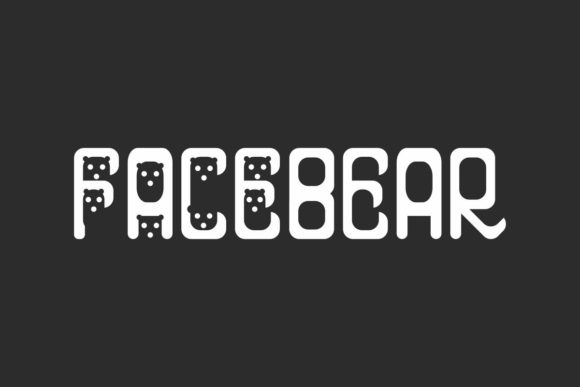
Facebear is a display font with a strong visual identity. It’s built for impact, not long paragraphs. The rough, distressed outlines give it a handcrafted feel, while the bold structure keeps it readable even at smaller sizes. This font isn’t just decorative—it carries a mood. It’s edgy, bold, and just a little bit wild, which makes it perfect for makers who want to stand out without going too far from legibility.
What I love most is how Facebear translates across different materials. Whether it’s laser-cut labels, printed greeting cards, or digital download previews, the font holds its own. It’s especially effective when used for short phrases, names, or titles—like a boutique tag on a handmade soap wrapper or a rustic sign for a farmhouse-themed printable.
Real-World Uses for Facebear in Handmade Businesses
Since discovering Facebear, I’ve found so many ways to incorporate it into my shop materials. Here are a few that worked best:
- Candle Labels: Used for scent names and seasonal taglines. The rough edges mimic the texture of natural soy candles, creating a cohesive brand look.
- Wedding Invitations: Paired with a clean script font, Facebear becomes a stylish title font for welcome signs or seating charts.
- Printable Wall Art: Perfect for bold, statement pieces like “Live, Laugh, Love” or seasonal quotes. The font’s techno edge gives a modern twist to traditional sayings.
- Product Packaging: Especially effective for boutique-style hang tags or sticker seals on custom boxes. It adds a premium feel without looking too polished.
- Digital Downloads: Works great in mockups for planners, journal pages, or seasonal templates. Facebear adds visual interest to headlines and titles in digital kits.
Why Facebear Works for Makers and Sellers
When you’re running a handmade business, your product presentation matters. Typography is one of the easiest and most effective ways to elevate your designs. Facebear helps create a strong visual identity—whether you’re making stickers, greeting cards, or t-shirts. It’s not just about looking good; it’s about creating a consistent brand feel that customers recognize and remember.
I’ve noticed that customers respond well to the font’s boldness and texture. It adds a layer of depth to my designs without being overwhelming. On product tags, for example, Facebear gives a handmade look that feels intentional, not accidental. It subtly communicates quality and attention to detail.
Readability and Practical Design Tips
One thing to keep in mind when using Facebear is readability. Because it’s a display font, it works best for short text. For stickers or labels cut with a Cricut or Silhouette, I recommend using it at 24pt or larger to ensure the details of the rough edges come through clearly. Smaller sizes can lose some of the texture, so it’s best to test before printing in bulk.
For digital mockups or printables, always preview how Facebear looks on screen versus how it prints. Sometimes the texture appears more pronounced digitally, so adjusting the size or spacing can help balance the design. Also, make sure to pair it with a simpler font—like a sans serif or clean serif—for any supporting text. This contrast keeps your design looking professional and easy to read.
Font Pairing Ideas
Facebear shines brightest when paired with more minimal fonts. Here are a few combinations I’ve used successfully:
- Facebear + Open Sans: A clean, modern sans serif that balances the roughness of Facebear. Great for packaging and digital templates.
- Facebear + Playfair Display: A classic serif that creates a vintage-meets-modern contrast. Ideal for wedding stationery or boutique tags.
- Facebear + Great Vibes: A flowing script font that adds elegance. Perfect for event signage or invitation headers.
- Facebear + Montserrat: Another sans serif with a slightly bolder presence. Works well for product labels and seasonal signs.
What to Check Before Using Facebear in Your Products
Before you start using Facebear in your commercial designs, it’s important to check the licensing details. Since it’s listed under Freebies, it’s likely free for personal and small business use, but always verify whether it allows for commercial use in physical products, printables, or digital downloads.
Also, take a look at the included file formats. TrueType (.ttf) and OpenType (.otf) files are standard for most design software. If you’re using cutting machines like Cricut or Silhouette, make sure the font is compatible with your design program (like Design Space or Silhouette Studio).
Check for any alternate characters, ligatures, or stylistic sets that might add more flair to your designs. Some fonts include uppercase-only versions or special symbols that can enhance your work. And don’t forget multilingual support if you’re designing for international markets or multilingual shop listings.
Final Thoughts
Facebear has become a go-to font in my design workflow. It’s not just another display font—it’s a tool that helps me connect with my audience through texture, mood, and personality. Whether I’m designing a candle label, a printable quote, or a wedding sign, Facebear adds that little extra spark that makes my products feel more intentional and unique.
If you’re a maker, seller, or creative product designer, I highly recommend giving Facebear a try. It’s a versatile, expressive font that brings a modern, rough-edge charm to any handmade or digital product. Pair it wisely, test for readability, and make sure it fits your brand’s personality—and you’ll see the difference it makes in your shop’s visual appeal.