Ghastly Panic Font: Spooky Display Type for Crafters
As makers and small business owners, we are constantly hunting for design assets that stop the scroll without sacrificing legibility. When curating a collection of freebies for seasonal projects or niche branding, finding a typeface that balances character with commercial utility is rare. Ghastly Panic is one such find. Created by Chad Savage of Sinister Fonts, this spooky, lightweight display font offers a distinct visual texture that feels handcrafted rather than digitally sterile. For those of us running Etsy shops, designing printables, or cutting vinyl for physical products, understanding how to leverage the unique personality of this typeface can elevate our work from generic to memorable.
Understanding the Visual Personality of Ghastly Panic
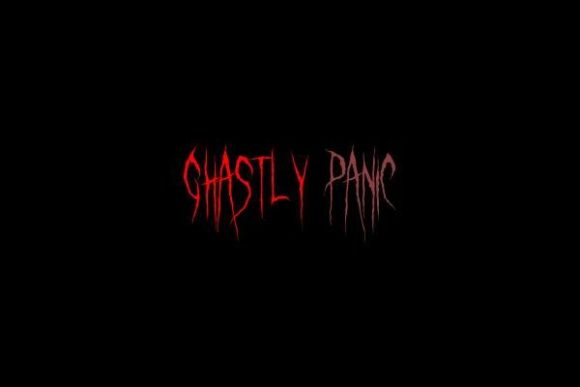
Ghastly Panic is not your standard horror font. While many spooky typefaces rely on heavy, dripping serifs or illegible grunge textures, this typeface takes a lighter approach. It is defined by its pointy edges and varying character sizes, creating a rhythm that mimics nervous energy or jagged handwriting. This lightweight construction is its superpower for crafters. Heavy fonts often bleed when printed on porous paper or tear when cut on delicate vinyl, but the thinner strokes of Ghastly Panic allow for crisp reproduction across various media.
The variation in glyph height adds an organic, unpredictable quality that pairs beautifully with handmade aesthetics. It avoids the robotic perfection of modern typography while maintaining enough structure to remain readable at smaller sizes. This makes it an excellent choice for creators who want to evoke a sense of mystery, vintage Halloween nostalgia, or whimsical darkness without overwhelming the overall design composition.
Practical Applications for Handmade Products and Printables
Versatility is key when selecting fonts for a product-based business. You need typefaces that work as hard as you do. Ghastly Panic shines in specific crafting scenarios where atmosphere matters as much as information.
- Seasonal Packaging and Labels: Use this font for candle labels, soap wrappers, or treat bags during the autumn season. The pointy edges suggest sharpness and spice, making it ideal for products like cinnamon sticks, clove candles, or tart bath bombs. Because it is lightweight, it leaves plenty of negative space on small labels, preventing the design from looking cluttered.
- Event Stationery and Invitations: For alternative weddings, Halloween parties, or haunted house events, Ghastly Panic serves as a striking header font. It sets the tone immediately on welcome signs, table numbers, or digital invitations. Its readability ensures guests can actually find their seats or read the time, which is often a failure point with more extreme decorative fonts.
- Cutting Machine Projects: Cricut and Silhouette users will appreciate the clean vector lines. Unlike distressed fonts that require extensive weeding, Ghastly Panic cuts cleanly on cardstock, adhesive vinyl, and heat transfer vinyl (HTV). It works exceptionally well for t-shirt designs, tote bags, and window decals where intricate details might otherwise be lost during the transfer process.
- Digital Downloads and Wall Art: Printable wall art sellers can use this typeface to create moody nursery decor, literary quotes, or seasonal prints. The varying baseline creates natural movement, guiding the viewer’s eye across the artwork without needing additional graphic elements.
Strategic Font Pairing for Professional Results
A single font rarely carries an entire brand identity. To make Ghastly Panic look professional rather than amateur, intentional font pairing is essential. Because this typeface has high personality and irregular sizing, it demands a stable partner.
For product packaging and labels, pair Ghastly Panic with a clean, geometric sans serif font. The contrast between the jagged, expressive display font and the orderly, neutral body text creates a hierarchy that guides the customer’s eye. The sans serif handles the functional information like ingredients, dates, and pricing, while Ghastly Panic delivers the emotional hook.
If you are designing wedding stationery or feminine spooky apparel, try pairing it with a flowing script font. The rigidity of the pointy edges in Ghastly Panic contrasts beautifully with the soft curves of a handwritten font. This combination balances masculine and feminine energies, making it perfect for gothic romance themes or elegant Halloween gatherings. Avoid pairing it with other display fonts or highly decorative serifs, as the competing visual noise will reduce readability and perceived quality.
Readability and Production Considerations
While Ghastly Panic is more legible than most horror typefaces, it is still a display font. In practical production terms, this means it should be reserved for titles, names, short phrases, and logos. Do not use it for paragraphs of text, legal disclaimers, or detailed instructions. When designing for cutting machines, always perform a test cut at your intended size. While the lightweight strokes are generally cutter-friendly, extremely small applications on fabric may require a stabilizer to prevent lifting.
For print products, consider your substrate. On dark cardstock or black t-shirts, ensure there is sufficient contrast. The thin lines can disappear against busy backgrounds. When creating mockups for your shop listings, display the font in context on a textured background rather than a flat white screen. This helps customers visualize how the pointy edges interact with real-world materials, increasing conversion rates for your templates or finished goods.
Navigating Commercial Licensing for Sellers
One of the most critical aspects of using freebies in a business setting is verifying the license. Just because a font is free to download does not automatically grant permission to sell products featuring it. Ghastly Panic is created by Chad Savage, a respected designer in the niche font community. Before incorporating this typeface into merchandise, digital downloads, SVG files, or client work, you must review the specific license file included in the download or listed on the creator's Behance page.
Licensing terms can change. Some designers offer free personal use only, requiring a separate commercial license for selling physical items or templates. Others may allow small business sales up to a certain revenue cap. Protecting your shop from copyright issues is just as important as protecting your profit margins. Always credit the designer where appropriate and link back to their portfolio if the license requests it. Respecting intellectual property builds trust with your audience and supports the ecosystem of independent type designers who make our creative businesses possible.
Integrating Ghastly Panic into your design toolkit offers a way to differentiate your handmade goods in a saturated market. Its unique blend of spookiness and legibility solves common production problems while delivering the aesthetic appeal customers crave. Whether you are cutting vinyl for a fall festival sign or laying out a printable party kit, this typeface provides the atmospheric detail necessary to turn a simple project into a branded experience. By respecting its limitations and pairing it thoughtfully, you transform a free asset into a cornerstone of your seasonal product line.